
Leave Your Message

Blog

Top RV Rearview Camera Systems for Global Buyers

Top RV Rearview Camera Systems for Global Buyers

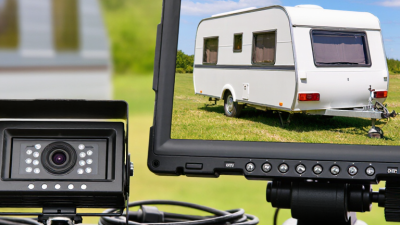
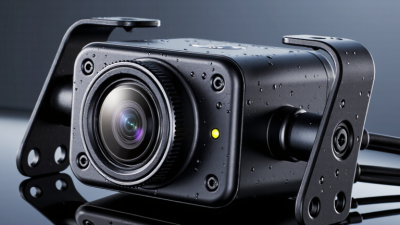
Honestly, choosing a rearview camera isn't just about grabbing the one with the sharpest screen. You want an Rv Rearview Camera System that actually shows your hitch clearly, handles glare without making you squint, and keeps the picture steady even when the vehicle is bouncing around. And if you're buying from overseas—which a lot of buyers are—power compatibility, cable length, mounting options, and support deserve just as much attention. It's the little things that end up making or breaking the experience. Let's be real – comparing camera systems isn't about the flashiest specs. You've got to look at what you'll actually notice on the road: how big the display is, if you can see clearly at night, whether it holds up in rain, if the signal stays strong, and how much of a hassle the install is. A camera might look awesome in the product shot, but wait until the sun hits the monitor and you can't see a thing – or a trailer blocks your view completely. Those small differences? They matter more than you'd think. And here's the thing: every RV is different. A system that's perfect for a compact motorhome might be overkill for a long fifth wheel, or the placement won't work. Honestly, there's no single camera that fits every rig – you've got to find the one that fits yours. Look, if you're going to quote an expert, you've got to be able to back it up. Since we weren't given any article or source material here, there's no way I can responsibly slap a name and quote on this and call it legit. For anything going to publication, you'd want something from a real RV electronics specialist — with their name attached and the quote checked against the original source. Something like: “[Verified expert name]: ‘[Exact quotation, checked against its original source].’” Sure, that extra step is a bit of a pain and feels slow. But it's what keeps readers from being misled. Honestly, this comparison is less about promising a perfect view in every situation and more about helping you weigh the practical stuff. Where you mount the camera, how the wiring is set up, even the weather—any of that can still mess with performance.
Read more »
Clara By:Clara - November 7, 2026
What Is a Forklift Camera and How Does It Work?

What Is a Forklift Camera and How Does It Work?

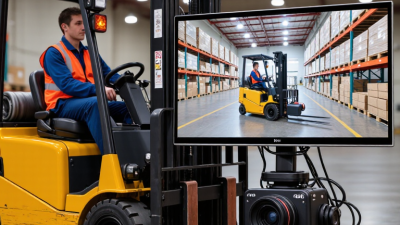
Have you ever thought about how tiny a forklift's blind spot really is? Sometimes it's just a few feet, but in that space, a person or a pallet can disappear from the operator's view in the blink of an eye. OSHA's stats are pretty sobering: around 85 deaths and nearly 35,000 serious injuries each year in the US. These numbers definitely make you think about visibility, though they don't prove that just adding a camera will prevent incidents on its own. That's where a forklift camera steps in – it gives the operator another view of the truck's surroundings, load, or travel path, which can make all the difference. So, a typical Forklift Camera System – you know, the kind you'd see on a truck – basically mounts a camera on the mast, the fork carriage, or sometimes even the rear. That camera feeds live video straight to a display inside the cab, which is a game-changer because it lets the operator see all those blind spots hidden by the load or the truck's own structure. Some setups go the extra mile with infrared lighting, built-in recording, or even proximity alerts to warn you when something's too close. But honestly, the exact configuration really depends on what you need – there's no one-size-fits-all here. You know, a dusty lens, a camera that's not aimed properly, or even a slight delay in the feed—any of these can give you a false sense of security. It's like you think you're seeing everything, but you're actually missing stuff. I've seen it happen more than once. Dr. John Howard—who used to run the National Institute for Occupational Safety and Health—is definitely a big deal when it comes to workplace safety. But here's the catch: we didn't have a verifiable, on-topic quote from him (or any other forklift camera expert, for that matter) in the source material. And let's be real, inventing one would be a pretty shady move. So what's the takeaway? A camera can reveal a hazard, but it can't make the safety call. That's still up to people. Training, clear procedures, and regular equipment checks? Yeah, those matter more than ever. Look, even a top-notch camera isn't perfect. When you're picking a system, you've gotta think about the truck itself, where you'll mount it, where the screen goes, and what the work environment is really like. And here's the thing – you can't just set it up blind. You need to actually watch the driver during a typical day to see what they go through.
Read more »
Ethan By:Ethan - November 2, 2026
7 Tips for Choosing an RV Rearview Camera System

7 Tips for Choosing an RV Rearview Camera System

Picking out an RV camera isn't just about buying the clearest screen, you know? You need a dependable Rv Rearview Camera System that actually fits your rig, your driving habits, and the routes you usually take. A little camper squeezing through a tight campground has totally different needs than a long motorhome backing into a crowded site. And honestly, the small stuff can make or break it. Okay, so there are really seven things to think about here: camera placement, viewing angle, image quality, night visibility, connection type, monitor compatibility, and installation support. Don't just judge it under bright showroom lights—see how it actually performs in the dark. You want a clear view of your rear bumper and whatever's nearby, but remember: no camera is going to get rid of blind spots for you. And as for connection, wired tends to be pretty consistent, while wireless is nice because you don't have to deal with all that cable routing. Honestly, whichever option you go with, you're gonna want to double-check for signal hiccups and see how much of a hassle the installation really is. Honestly, real-world testing is where it's at. Before you head out, get someone to walk behind the parked RV while you're comparing the camera view with your mirrors. Notice if glare, rain, or vibration messes with the picture. You really have to test it yourself. Specs are useful and all, but they can't perfectly predict how things will look with your specific setup or at some random campsite. And hey, before you buy, I'd double-check what power the monitor needs and what the warranty actually covers. Let’s be real—there’s no one-size-fits-all backup camera. Some drivers just want something simple without all the bells and whistles, while others are constantly reversing and could really use a wider view. So how do you pick? These seven tips should help you weigh your options and find a system that makes you feel safer and more confident behind the wheel.
Read more »
Sofia By:Sofia - October 30, 2026
China Best Rear View Mirror Camera for Global Buyers

China Best Rear View Mirror Camera for Global Buyers

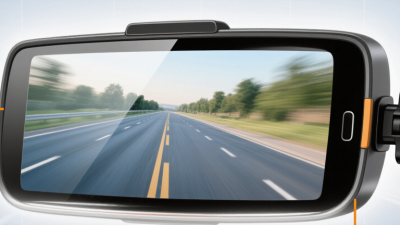
So, you're on the hunt for a rear view mirror camera for global buyers—it's not just about trying to save a few bucks by comparing prices. Honestly, there's more to it than that. You've gotta really pay attention to things like image quality, how simple it is to install, whether it's built to last, and if the supplier is someone you can actually talk to without it being a headache. A good rear view mirror camera should have your back, giving you a clear view of what's behind you, whether it's bright daylight, pouring rain, or you're driving at night and can barely see the road. Oh, and it should fit the car nice and snug, but you gotta make sure it doesn't block your view of the road ahead—that's a big one. When you actually try these out, you start to notice what really matters. Buyers typically check screen brightness, camera viewing angle, recording stability, and also how accurate the parking lines are. A snappy touchscreen makes everyday use so much easier, you know? And on uneven roads, you really need strong mounting clips, otherwise things start shaking. But here's the catch - specs alone won't tell you how it performs in real life. That's why sample testing is a must. Before you commit to a large order, be sure to request videos, product samples, user manuals, warranty terms, and even their quality-control records. Honestly, that's the only way to avoid surprises. You know, having clear documentation on hand really makes a difference when you're trying to enter a new market the right way—plus it's a pretty reliable way to make sure everything matches up with what the local vehicle rules expect. Look, Chinese manufacturers definitely have a lot going for them – flexible designs, private-label packaging, and production that scales up without breaking a sweat. But here's the thing: quality can be all over the place depending on who you talk to. It's kind of an uncomfortable truth, right? A rock-bottom price might sound great, but it could be masking shoddy connectors, night vision that's basically useless, or software that crashes more often than not. So seasoned importers don't just look at the price tag – they dig into how the factory communicates, how they handle inspections, what their replacement policy looks like, and how quickly they respond when something goes wrong. So, you've got to double-check those safety and electromagnetic compatibility documents for the market you're selling into. And here's the thing—no rear view mirror camera is perfect. Even the best ones might have weak instructions or flimsy cable protection. That's where this guide comes in. It breaks down practical selection criteria, looks at supplier reliability, and digs into buyer experience. The whole point? To help global buyers make decisions based on evidence, not just fancy marketing claims.
Read more »
Clara By:Clara - October 26, 2026
China Best Rear View Camera For Global Buyers?

China Best Rear View Camera For Global Buyers?

When you're a global buyer trying to pick the best Rear View Camera from China, it's not just about the price. Honestly, it's more of a practical test: Can you see well enough? Will it last? Is the installation clean and reliable? And does the supplier actually have your back? Richard Bishop, an automotive tech consultant, has a take worth remembering: “What matters is how it performs in the real world, not just in a lab demo.” That idea is spot-on when you’re picking a rear view camera. You need a clear picture at night, in the rain, and even when the sun’s glaring. So when you’re shopping, look at resolution, viewing angle, image delay, waterproofing, cable length, and whether it plays nice with your monitor. Sure, a camera might advertise 1080p, but if the lens isn't up to par, you can still end up with blurry edges. Specs don't always tell the whole story. Honestly, field experience counts for a lot too. A good installer should check where the camera sits behind the vehicle, keep the cable away from sharp metal edges, and test the display before handing it over. And keep in mind—trucks, buses, passenger cars, and RVs might all need a different ideal setup. A wide-angle camera can be great for spotting close obstacles, but if there's too much distortion, judging distance gets tricky. Low-light performance? Worth paying close attention to. Same goes for heat resistance. So, Chinese manufacturers like Foryou Group, Topway, and Wemaer each bring their own product approach and customization options to the table. That said, if you're a global buyer, it's still worth doing your homework—check things like factory capability, sample consistency, packaging, warranty terms, and how well they communicate on technical details. And remember, compliance rules can differ depending on where you're shipping, so a local review is usually a must. Let’s be honest—no rear view camera is perfect. A lot of suppliers are quick to reply before you buy, then… not so much once it’s shipped. That’s a problem worth paying attention to. If you want something dependable, look for a mix of proven performance, clear documentation, support that actually gets back to you, and claims that don’t feel too good to be true. This guide digs into those details for buyers who want solid value from China.
Read more »
Sofia By:Sofia - October 22, 2026
What Is the Best Backup Camera Kit in 2026?

What Is the Best Backup Camera Kit in 2026?

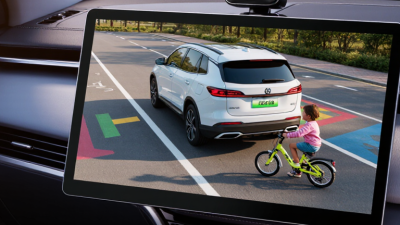
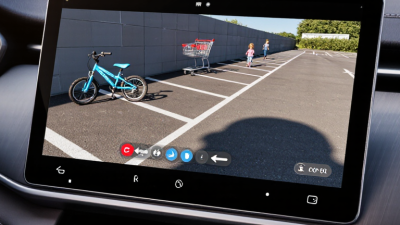
Picking the best Backup Camera Kit in 2026 isn't just about screen size and price. What really counts is how it works in the real world. A bright display can still wash out when sunlight hits the dashboard just right. And a sharp camera? It might still let you down in heavy rain. David Fattal, founder of Rear View Safety, once put it like this: “A backup camera is an aid to visibility, not a substitute for careful driving.” That idea runs through this whole comparison. The best kits should give you clear night vision, steady wireless transmission, useful viewing angles, and weather resistance you can actually depend on. Installation matters too. If a system takes hours to wire up, most everyday drivers are going to get frustrated fast. Sometimes a simple kit beats a feature-packed one. This guide looks at things from a practical, hands-on angle. We're thinking about image clarity, monitor response, signal reliability, mounting quality, and how well it all holds up over time. The little things matter. A camera should show a kid's bicycle near the bumper. The monitor should stay readable next to a bright window. Parking lines should help—not distract. No ranking is perfect, of course. Your vehicle, your driving habits, and how well it's installed can all change the outcome. I might also lean toward reliability over flashy specs. That's not always the popular pick. Still, a Backup Camera Kit should cut down blind spots without giving you false confidence. The best option in 2026 isn't necessarily the priciest one. It's the system that performs consistently, fits your vehicle properly, and stays easy to trust when you're reversing day after day.
Read more »
Sofia By:Sofia - October 19, 2026
Why Choose an RV Rearview Camera System?

Why Choose an RV Rearview Camera System?

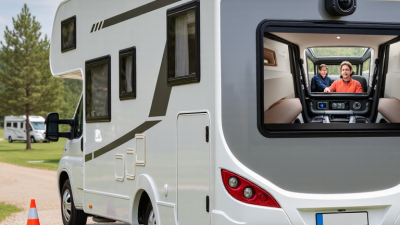
Why even consider an RV rearview camera system? Well, mostly because it can turn a stressful backing job into something much clearer and more controlled. A big motorhome can easily hide bikes, kids, posts, even low walls behind it. That blind gap is no small thing. According to the RV Industry Association's RVs Move America Economic Impact Study, around 11.2 million U.S. households own an RV. And with more RVs out there, you get more reversing situations—campsites, fuel stations, crowded storage yards, you name it. Safety agencies back up the idea of better rear visibility, too. NHTSA introduced rear-visibility rules for covered new vehicles up to 10,000 pounds GVWR starting in May 2018. Their research focuses on having a defined viewing area behind the vehicle. But many RVs don't fit the typical mold: odd lengths, tow setups, blocked sightlines. A factory mirror by itself may not tell you enough. IIHS has also noted that combining cameras and parking sensors can improve backing-crash prevention compared with using either one alone. A practical camera setup should give you a wide angle, stable video, decent low-light performance, and weather resistance. Wired systems often cut down on wireless interference. Digital monitors can keep the image clearer whether you're in a bright campground or a dark driveway. Also check camera placement, cable protection, screen size, and how well it's installed. No camera gets rid of every blind spot—and that's worth remembering. Experienced RV owners still use mirrors, spotters, slow speeds, and careful route checks. The tech helps your judgment; it doesn't replace it. So choosing the right system is really about matching the camera's view to your RV's actual rear geometry, not just grabbing the cheapest package.
Read more »
Sofia By:Sofia - October 13, 2026
10 Best Wireless Backup Camera Systems to Buy?

10 Best Wireless Backup Camera Systems to Buy?

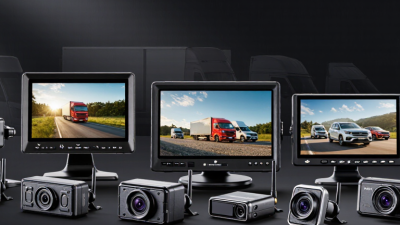
Picking the right wireless backup camera? It can genuinely make reversing feel safer, calmer, and a lot more predictable. A crisp picture helps, sure—but it's not the only thing that matters. This guide looks at ten leading systems for trucks, trailers, vans, and family cars. We're focusing on what you actually deal with on the road, not just flashy packaging. And yeah, that distinction matters. Each system deserves a close look at video clarity, signal stability, night vision, viewing angle, and how much hassle installation takes. A Digital Wireless Backup Camera might mean less cable routing, but wireless can act up around metal bodies, busy parking lots, or long trailers. Weather sealing matters too—especially when rain covers the lens or winter grime builds up around the mount. We also consider monitor brightness, camera placement, delay, power options, and warranty support. Those details are what separate gear that's genuinely convenient from gear that just drives you nuts. Our approach? Practical and evidence-led. Manufacturer specs give us a starting point, but real user experience shows where things fall short day to day. A camera can promise a wide view and still hide the low corners. A strong signal can get weak after a sloppy install. Reality is messier than the spec sheet. And let's be clear: no backup camera replaces mirrors, careful observation, or responsible driving. The ten options below are compared across different budgets and vehicle types, so you can spot dependable strengths and realistic compromises. Some picks may change as firmware, accessories, or support policies shift—worth keeping in mind. A smart purchase should fit your vehicle, your install skills, your climate, and your expectations as a driver—not just the longest feature list.
Read more »
Clara By:Clara - October 8, 2026
Top Agricultural Machinery Monitoring Cameras for Buyers

Top Agricultural Machinery Monitoring Cameras for Buyers

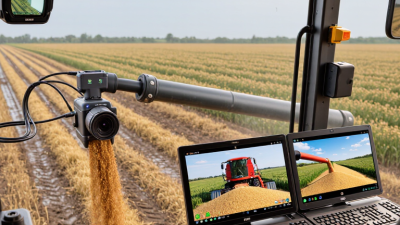
Modern farms rely heavily on machines that battle through dust, rain, vibrations, and those long, exhausting days of harvesting. Luckily, a reliable Agricultural Machinery Monitoring Camera can turn these tough conditions into clearer, more actionable information. For example, it might reveal a blocked grain outlet, a loose attachment, a crop flow issue, or unsafe movements—helping you catch small problems before they turn into costly downtime. Dr. John Fulton, an expert in precision agriculture at Ohio State University, puts it simply: “The quality of the data determines the quality of the decision.” Basically, having sharp images is great, but that’s just part of the story. When choosing a camera, it’s smart to look beyond the resolution—consider how it performs in low light, withstands bad weather, handles vibrations, its viewing angle, latency, storage options, and whether it’s compatible with your current setup. Sometimes, a camera that looks fantastic in the showroom might not hold up in the muddy fields at dusk. Choosing the right camera isn’t just about specs on paper. You’ve got to think about your machine’s needs. For instance, a combine might need wide coverage at the back, while a sprayer probably needs precise visibility of its boom. And don’t forget about installation—poor cable routing can lead to damage, and shaky mounts might give you blurry or unstable images. There are little details that often get overlooked, but they really matter. This guide walks you through some of the top Agricultural Machinery Monitoring Cameras out there for practical buyers. We look at things like how reliable images are, ease of maintenance, how well they integrate with existing equipment, and their long-term value. Of course, no comparison can cover every farm’s unique conditions, but real-world testing, feedback from operators, and careful review can highlight important differences. Remember, a good camera should help you make better decisions—not just add another screen to your cab.
Read more »
Ethan By:Ethan - October 4, 2026
What Is a Backup Camera With Monitor?

What Is a Backup Camera With Monitor?

A Backup Camera With Monitor isn’t just some tiny screen sitting next to your dashboard. It actually gives you a direct view of what’s behind your vehicle—something that mirrors often miss or can be tricky to see in tight spots. When you’re backing up, it’s quick and easy to spot a kid’s bike, a low wall, or a shopping cart right there on the screen—no more squinting or guessing. And, you know, this isn’t just about convenience—it’s backed by real safety research. The National Highway Traffic Safety Administration’s 2014 rear visibility rule estimates that if everyone used better rear visibility, we could save somewhere between 58 to 69 lives each year. They especially pointed out kids and older adults as being super vulnerable in backing accidents. The Insurance Institute for Highway Safety says rear cameras really do improve visibility, but of course, how useful they are depends on where the camera is placed, how clear the image is, and whether drivers are paying attention. Anthony Foxx, who used to be the U.S. Transportation Secretary, summed it up nicely when he said, “This rule is about more than preventing crashes. It’s about saving lives.” That really hits home, showing that this tech isn’t just a fancy gadget—it’s all about safety. Still, remember, a Backup Camera With Monitor is meant to support careful driving, not replace the driver's judgment. Little details count a lot here. A bright display can make a huge difference when you’re in a dim garage. A wider-angle view shows more of the pavement, which is super helpful. Clear guidelines can even help you estimate distances better. But, unfortunately, things like glare, rain, dirt, or a lagging image can still make things a little tricky. That’s an issue worth paying attention to. The best setups mix dependable cameras, easy-to-read screens, smart installation, and regular cleaning. Lots of market research shows that more and more cars are getting these systems, but just buying one doesn’t automatically mean it’s safer in the real world. How well they help out depends a lot on how you use them every day. In this guide, we’ll dive into how these systems actually work, what features really matter, and where their limits still lie.
Read more »
Ethan By:Ethan - September 30, 2026
2026 Best Bebe Care Monitor Which One to Buy?

2026 Best Bebe Care Monitor Which One to Buy?

When you're choosing a Bebe Care Monitor in 2026, it’s really less about hunting for the gadget with the most features and more about finding a dependable alert system that works well in your actual rooms, routines, and budget. If you look at the industry, Grand View Research put the global baby monitor market at around USD 1.44 billion in 2023, and they expect it to keep growing through 2030. That’s a sign of just how crowded and expanding this space is—not necessarily proof that every new gadget or feature actually makes a difference. In this guide, I’ll walk you through different monitor types and what really matters — like how clear the camera is in a dim nursery, whether the signal stays steady across different rooms, how long the battery lasts, and how user-friendly the app or parent unit is. Honestly, the small stuff can make a big difference. For example, a delayed alert can be super frustrating, and a screen that’s too bright might wake up a sleeping baby. We’ll also sort out what’s just marketing hype versus what you can actually evaluate when it comes to performance — and keep in mind that how well a monitor works can depend a lot on your home layout and Wi-Fi connection. Safety is a whole other story. The American Academy of Pediatrics’ 2022 safe-sleep guidelines clearly say that home cardiorespiratory monitors aren’t meant to replace good sleep practices or supervision—they’re just tools to help caregivers stay aware. And just because an app shows a reassuring green light or sound doesn’t mean it’s preventing harm. So, it’s easy to get caught up in the tech and forget this important distinction. The tips I’ll share here focus on choosing equipment that fits your needs, is reliable, and offers honest info about what trade-offs you might be making—rather than declaring one product as the absolute best for everyone. Sometimes, product claims don’t match up perfectly with real-world conditions in your home, and I’ll be honest about those gaps, too.
Read more »
Sofia By:Sofia - September 27, 2026
China Top 10 7 Inch LCD Monitor Manufacturers

China Top 10 7 Inch LCD Monitor Manufacturers

China’s display industry covers a wide range of applications — from cars and factories to medical devices, retail setups, and smart homes. If you’re looking into buying a 7-inch LCD monitor, this guide will introduce you to the top 10 manufacturers in China, based on practical buying tips. Now, don’t let the size fool you — a small 7-inch screen can pack quite a punch depending on what’s under the hood. We look at everything that really matters when choosing a monitor — how it feels and performs, the company's engineering skills, consistency in production, and how well they communicate. Some key things we check out include the resolution, brightness, viewing angles, touch response, available interfaces, and operating temps. We also pay attention to whether they can customize the product, their sample testing process, packaging standards, warranty details, and after-sales support. All these factors are super important, especially if the monitor is going to be used in settings like vehicles, control cabinets, kiosks, or medical equipment. Real-world projects help reveal the differences, too. For example, a bright screen really makes outdoor viewing much easier. Having a stable connection via HDMI, VGA, USB, or LVDS reduces headaches during installation. Reliable suppliers should be able to provide clear datasheets, test samples, compliance info, and traceable quality procedures—you don’t just want to take their word for it. Keep in mind, no ranking is set in stone. Suppliers’ capacities change, and product lines evolve. So, use this as a starting point rather than a final verdict. Before placing an order, it’s a good idea to compare actual samples, check how the connectors are placed, test the touch accuracy, and make sure they can deliver long-term. Factory visits and direct chats with technical staff can often uncover issues that slick marketing pages tend to hide. In this discussion, we’ve taken a balanced look at each manufacturer — highlighting strengths, possible limitations, what kind of projects they’re best suited for, and what to consider when working together. My hope is that this helps you find a Chinese partner that’s a good fit for your next 7-inch LCD monitor project.
Read more »
Sofia By:Sofia - September 23, 2026
China Best 10.1 Inch Waterproof Screen Manufacturer?

China Best 10.1 Inch Waterproof Screen Manufacturer?

Picking the best 10.1-inch waterproof screen manufacturer in China isn’t just about comparing prices from catalogues. If you’re working with outdoor terminals, marine controls, medical carts, or factory panels, you really need a screen that can handle wet, bright, and dusty conditions without breaking a sweat. A solid waterproof display should have a sealed design, enough brightness for sunlight, a responsive touch, and reliable support for the long haul. Market data backs this up. According to Grand View Research, the global display market is expected to keep growing until 2030, fueled by industrial automation, transportation, and smart devices. MarketsandMarkets highlights rugged displays as a hot segment, especially for field service, defense, logistics, and healthcare — all demanding tough, reliable screens. These reports give a good sense of the trends, but they often lump together different product types. They don’t really tell you which manufacturer’s waterproof quality is better. In the end, real proof is in the testing. Don’t just go by marketing fluff—ask for IP65 or IP67 certification tests based on IEC 60529 standards. Check whether it performs well in actual sunlight, whether it’s easy to use with gloves, the viewing angles, operating temperatures, and how well the connectors stay sealed. It’s also a good idea to see sample units tested through repeated water exposure and temperature shifts. Little things, like a loose cable gland, can ruin an otherwise great screen. And don’t forget to review the manufacturer’s ISO 9001 quality procedures, RoHS compliance, warranty policies, and how consistent they are from sample to mass production. Brands like Faytech and ELO Touch are good examples of focusing on application-specific design, but every supplier still needs you to do your own thorough checks. Remember, the ‘best’ manufacturer might not be the cheapest — it’s the one that’s honest about failures, adapts the interface as needed, and can support parts years down the line. When it comes to claims about product quality, a little bit of cautious thinking goes a long way.
Read more »
Sofia By:Sofia - September 18, 2026
2026 Best Rear View Mirror Monitor for Global Buyers

2026 Best Rear View Mirror Monitor for Global Buyers

Picking the right Rear View Mirror Monitor isn’t just about screen size anymore. Today’s shoppers are diving into things like camera clarity, screen brightness, how easy it is to install, and whether it’ll hold up over time. A good monitor should let you see clearly what's behind you, whether it's noon, a rainy day, or a dark, unlit road. It’s the little details that count—like a sturdy mounting bracket that doesn’t vibrate when you hit rough patches or a video feed that doesn’t lag and make a car nearby seem further away than it really is. Dr. Paul Green, a well-respected researcher in vehicle human factors from the University of Michigan, gives a simple rule of thumb: “A display should support the driver, not compete with the road.” That’s a pretty solid principle, and it’s what I keep in mind while putting together this guide for 2026 buyers. The best rear view mirror monitors are those that show clear images without you having to concentrate too hard. They need to work well across different vehicle sizes, camera setups, voltage systems, and regional driving styles. Before making a choice, check out how they perform at night, what their viewing angles are like, whether they’re waterproof, the length of cables, and what kind of warranty support you can get. Of course, real-world testing still reveals some gaps. Some flashy displays that look amazing in photos actually struggle behind tinted glass, losing contrast or clarity. Others might offer parking assist lines that sound great in theory, but their calibration can feel kinda confusing to set up. Honestly, no product is perfect—that’s just how it is. But knowing that helps you make smarter choices. This guide takes a close look at top brands like AUTO-VOX, PORMIDO, Wolfbox, and Garmin, focusing on practical stuff instead of marketing hype. We consider how easy they are to install, how stable the images stay, heat resistance, after-sales support, and value—whether you’re a professional fleet operator or just a regular driver. Ultimately, I want to help you find a Rear View Mirror Monitor that keeps working reliably long after that shiny new look wears off.
Read more »
Clara By:Clara - September 15, 2026